



























UGC for paid social

    UGC stands for user generated content: content made by ordinary people rather than by the brand. In advertising it is the raw material that makes an ad feel real in the feed.

    What UGC actually is

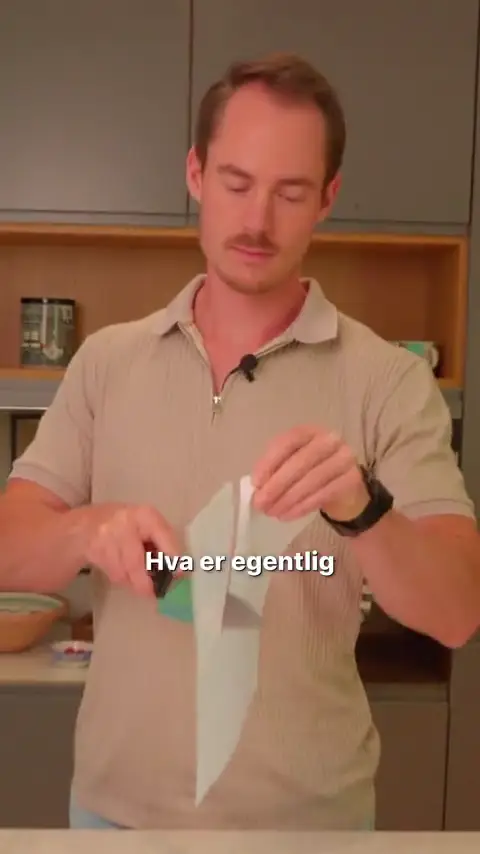
    A UGC video is filmed by a person at home, on a phone, in an everyday setting. It does not look like advertising, but it is used as advertising: the brand buys the content and runs it as a paid ad from its own account.

    That makes UGC different from influencer marketing. Here you buy the content and the usage rights, not someone else's reach.

    Why it performs in paid social

    Meta and TikTok reward content that holds attention. An everyday face saying something concrete about the product stops the scroll more often than a production film.

    The second reason is volume. UGC makes it economically viable to test ten angles instead of betting everything on one.

    How we produce it

    We start from the data in the ad account and write a brief covering the hooks to be tested. Then we cast creators who resemble the target audience, ship the product, quality-check the footage against the brief and cut several variants from each shoot.

    Common mistakes

    Ordering one video and calling it a test. Not securing rights for paid usage. Writing the brief without looking at what already worked in the account. And letting the creator sound like a salesperson rather than a user.

    FAQ

    What does UGC stand for?
    UGC stands for user generated content: content created by everyday users or creators rather than by the brand itself.
    What is the difference between UGC and influencer marketing?
    Influencer marketing buys access to someone else's audience. UGC buys the content and the usage rights, which you then run as ads from your own account.
    Who owns the UGC content?
    It depends on the agreement. When you buy UGC through Fulcio, you get usage rights for advertising, stated explicitly in the proposal.

    Need new ad creative?

    We look at the ad account and the product first, then propose what to test.

    Contact us